
Google Ads launched programmatic smart bidding features in the mid-2010s. Since that time, some clients and agencies have utilized a “set it and forget it” strategy to manage their PPC advertising spend. I use the term *strategy* here loosely because its actually void of strategy.
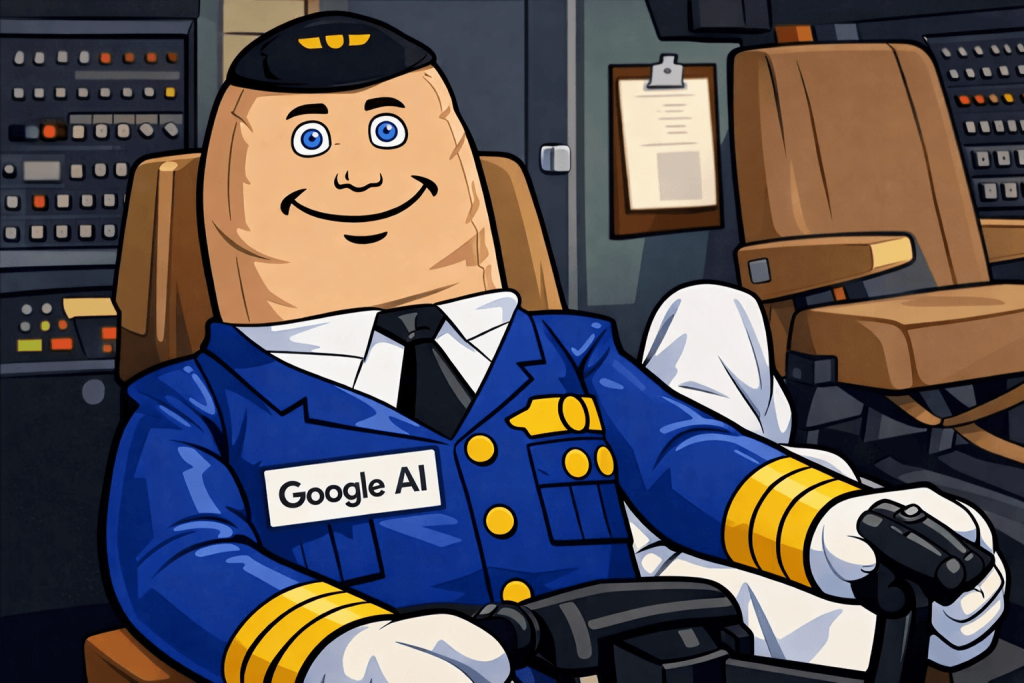
They’re drinking Google’s Kool-Aid of total campaign automation as a path to growing leads and sales. No matter what Google, Meta, or their Reps try to pitch you, most growing businesses would be wise to have professionals steering the ship. Flying the plane with help from AI tools but not totally handing over navigation to the robots. With all of the advanced tech in aviation, planes still need pilots.
🚨 Spoiler Alert 🚨
Google DIY PPC Targets Tiny Businesses
Google’s AI tools are generally designed to reach more small advertisers with few resources to help Google grow its advertising revenue. Google generally doesn’t make money on AI, they make money when you use AI to build your new campaigns and manage that spend in the dark. Mid-sized and larger companies are generally still employing a marketing agency or in-house team to manage their monthly spend. Most large companies are fully immersed in the Google and Meta paid media programs, there’s just less room for growth in that market and more opportunity to bring tiny companies into Google and Meta ads. PPC may have peaked for large advertisers so Google is using AI to convince the several 1,000s of startups and tiny companies they can DIY their way to success without hiring a creative agency.
Risks Of Putting PPC On Auto-Pilot
Putting PPC on auto-pilot is generally not a best practice, as this can lead to:
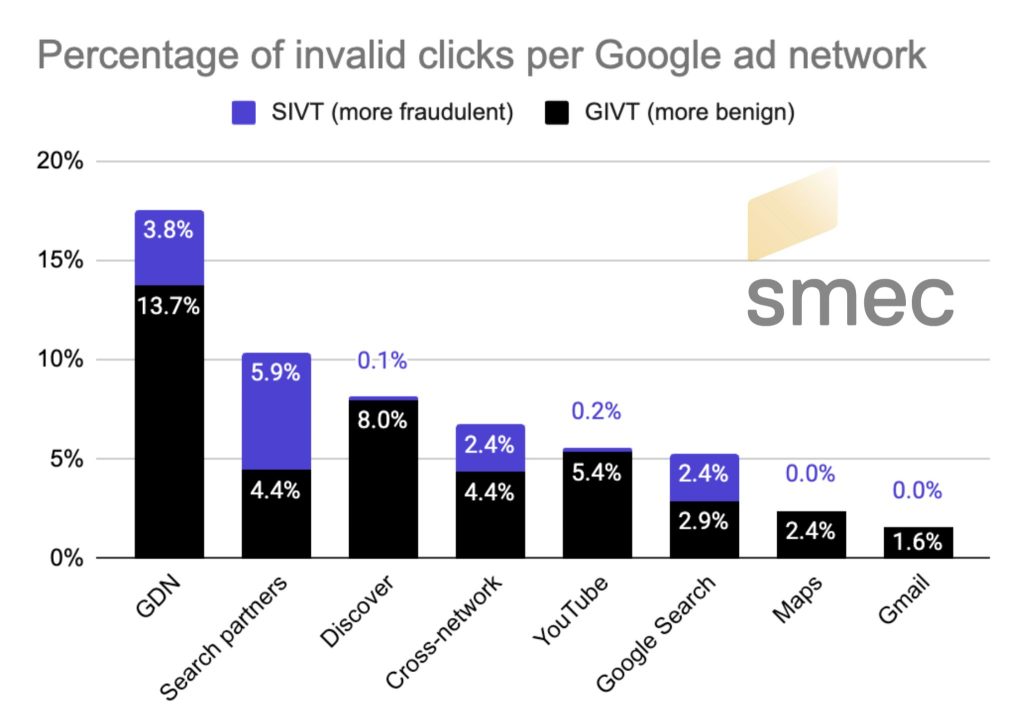
- Wasted ad spend, in some cases 20%+ of spend going to invalid clicks, bots, and click fraud
- Ever-increasing number of AI features washing out your brand message
- Over-optimized headlines and poor branding
- Money going to channels that don’t make sense for your audience
- New features being added to your account by default
- Aggressive conquest ad spend on other brands
- Aggressive spend on your brand name, driving brand CPCs higher and higher
- E-commerce brands need to adjust and adapt quickly to swings in Search demand, making DIY auto pilot a major disadvantage vs competitors
- Over-spending or under-spending relative to seasonality
- Over-spending or under-spending relative to competitors entering or leaving the auction
- Accounts getting flagged for policy issues, reducing impressions and risking suspension
- Rarely do clients on full auto-pilot have proper conversions and tagging, leading to bad signals and poor clicks
- Rarely do clients on auto-pilot have a high level of web design, user experience, and SEO best practices, this makes their company more and more reliant on advertising spend over time to keep the company afloat
Rarely do clients on full auto-pilot have proper conversions and tagging
Case For Full Automation & Forget It
No Growth Money Machine
You’re a small company and you don’t care about growing your brand. You’ve maxed out the opportunities in your market and just need to keep the lights on in a stagnant niche. You’re comfortable with the income your website is generating and don’t want to make too much money to avoid triggering personal income tax issues. You own a lifestyle company that is providing your family with stable income in retirement.
Startup Learning The Ropes
You’re a small startup business that wants to learn how to manage their own PPC. You have limited funds to spend on ads and focusing more on organic and social media growth at this early stage. PPC is just a small part of your overall marketing strategy and you’re not ready to scale your business until more funding is available.
The Bootstrap
Bootstrapping a business is a very common way to get started when you’ve got limited startup funds. You may already have a mortgage, kids, and a full time job while you’re also trying to start you business. The last thing you need is to add payroll. Google & Meta DIY ad management is likely your best option until sales start ramping up. Unfortunately, the bootstrap has its limitations. That same bootstrap mentality that got you to $100,000 in sales doing DIY is now preventing growth. This is where hiring an agency or professional makes more sense.
Why PPC Management?
Companies who set it and forget it are usually companies looking to cut cost due to declining sales or have limited sales growth opportunities to support hiring a professional. They’re looking to save a few thousand a month on agency fees because they don’t feel confident in their ability to generate more revenue.
Google doesn’t care if you only sell 100s of $35 accessories instead of your $450 core products with higher margins. Just looking at ROAS doesn’t paint a full picture as to whats selling and whats not. This is where strategy and management can make a real difference. Applying analytics to your campaigns and helping you reach specific goals.
If you’re looking to grow your business or don’t want to fall behind the competition, consider hiring a professional agency or marketing company. Not only do you get worry free campaign management and reporting insights, you get a partner to help you navigate the changing economy and each new technology Google will opt-in to your account by default.